Description
Idexx inVue Dx Cellular
Buy Idexx inVue Dx Cellular a next-generation veterinary diagnostic system developed to transform traditional cytology and morphology workflows. Unlike conventional microscopy methods that require manual slide preparation, staining, and subjective interpretation, the IDEXX inVue Dx Cellular Analyzer price introduces a fully automated, slide-free workflow. inVue IDEXX Clinicians simply load the sample, and the system processes and analyzes it automatically, significantly reducing preparation time and operator variability.
At the core of the system is a powerful AI-driven analysis engine, trained on millions of sample images by board-certified pathologists. This IDEXX inVue Dx price deep learning capability allows the analyzer to deliver objective, quantitative results with reference-laboratory-level accuracy in approximately 10 minutes, enabling faster and more confident clinical decisions during patient visits.
A key innovation is its ability to perform multidimensional cellular analysis. Using multiple wavelengths of light and fluorescence, the system examines cells in their natural, unstained state, capturing detailed structural and morphological information that may not be visible through traditional microscopy. This IDEXX blood machine price approach provides deeper diagnostic insights and enhances detection of clinically relevant abnormalities.
The Idexx inVue Dx analyzer supports a range of diagnostic applications, including blood morphology, ear cytology, and fine needle aspirate (FNA) cytology. In blood analysis, it can automatically identify and assess important parameters such as platelet clumping, red blood cell abnormalities (e.g., spherocytes, agglutination), and immature white blood cells. IDEXX inVue price For ear cytology, it provides semiquantitative detection of bacteria (cocci and rods), yeast, white blood cells, and mites often within a single run.
For FNA cytology, the system can identify, measure, and quantify cells in masses, offering immediate feedback on sample viability and delivering actionable insights during the consultation. This Idexx inVue Dx capability supports earlier detection and evaluation of lesions without the need for external laboratory processing.
The Idexx inVue Dx is designed to integrate seamlessly into the Idexx inVue Dx diagnostic ecosystem, including hematology analyzers and practice management software. When combined with systems such as ProCyte analyzers, it enhances the overall diagnostic picture by adding detailed morphological analysis to standard blood counts. Results, images, and reports are automatically stored and accessible, supporting efficient workflow and patient record management.
Workflow efficiency is a central advantage of the system. The “load-and-go” operation eliminates manual slide preparation, reduces hands-on time, and allows veterinary staff to focus on patient care. Automated reporting includes diagnostic insights and suggested next steps, improving communication with pet owners and supporting clinical decision-making.
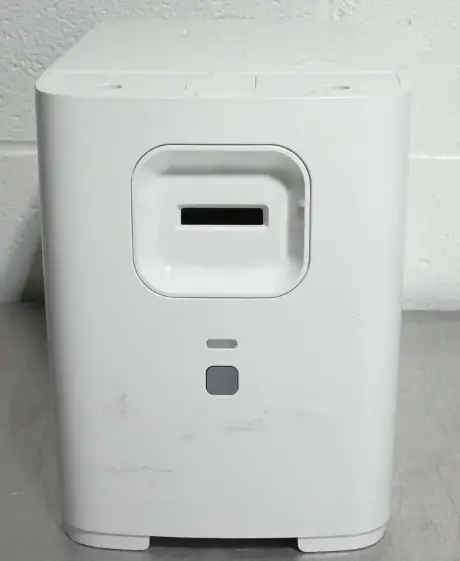
Compact in design, the analyzer fits easily into clinical environments while delivering high-impact diagnostic capabilities. It is validated for use with common companion animals such as dogs and cats, making it suitable for a wide range of small animal practices.
Additionally, the idexx invue ear cytology is designed for continuous expansion, with new test capabilities and applications expected to be added over time, making it not just a single analyzer but a scalable diagnostic solution for evolving veterinary needs.
Key Features
- Slide-free, automated cytology and morphology analysis
- AI-powered diagnostics with real-time results (~10 minutes)
- Multidimensional cell imaging using fluorescence and multiple light wavelengths
- Supports blood morphology, ear cytology, and FNA analysis
- Objective, quantitative results with reduced operator variability
- Seamless integration with IDEXX diagnostic ecosystem
- Automated reporting with images and clinical insights
- Compact design for in-clinic use
Typical Applications
- Blood morphology analysis in veterinary patients
- Ear infection diagnosis (bacteria, yeast, mites)
- Evaluation of skin and subcutaneous masses (FNA)
- Routine in-clinic cytology testing
- Companion animal diagnostics (dogs and cats)